The short version
- Mental health is more than the absence of illness. It is coping with stress, working well and connecting with others.
- 16.8 percent of adults in Bangladesh have a mental health condition, and more than 9 in 10 get no treatment.
- Bangladesh has only about 260 psychiatrists and spends under half a percent of its health budget on mental health.
- Early help protects families, studies and work.
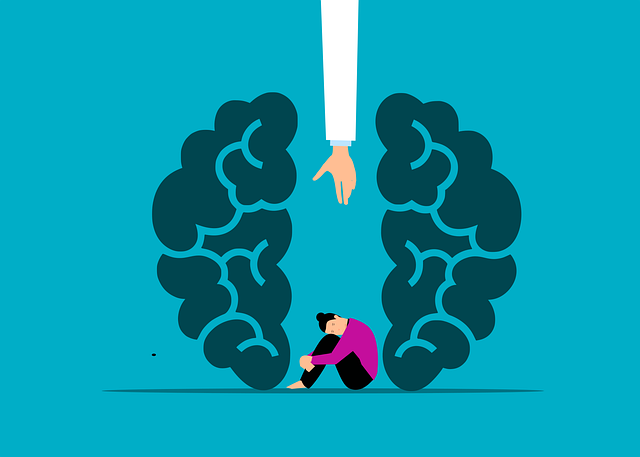
In a country defined by rapid economic growth and deep social change, true national progress cannot be measured by GDP alone; it must include the emotional and psychological well-being of its citizens. Understanding Mental Health is the foundational step toward unlocking human potential, reducing the devastating impact of untreated psychological disorder, and building a more resilient society. Globally, mental health issues account for a significant portion of the burden of disease, yet in Bangladesh, pervasive stigma and a massive treatment gap mean millions suffer in silence.
Ready to prioritize your well-being and gain clarity on your mental state? Access expert care now.
- Book Your Expert Appointment: Schedule a confidential session to discuss your well-being instantly via WhatsApp: Click to Chat Now: +8801929446548.
- Chamber Location: Model Addiction and Psychiatric Care, 113/A, Gate No. 1 Road, Monipuripara, Farmgate, Tejgaon, Dhaka 1215.
- Get Weekly Insights: Help your mind with free, expert strategies and facts. Subscribe to our mental health newsletter, “Mind Cast”, for tips, research, and support directly in your inbox at www.alalcp.com.
This complete article explores the definition, components, and undeniable importance of Understanding Mental Health for individual confidence and national resilience in Bangladesh.
Defining and Achieving Understanding Mental Health: Beyond Absence of Illness
Mental health is not merely the absence of psychological disorder; it is a state of well-being in which an individual realizes their own abilities, can cope with the normal stresses of life, can work productively, and is able to make a contribution to their community.
The Three Core Components of Mental Health
To achieve full Understanding Mental Health, we must recognize its three fundamental pillars:
- Emotional Well-being: The ability to experience, understand, and manage a wide range of emotions, including joy, sadness, and anger, in healthy ways. This involves having strong emotional regulation skills.
- Psychological Well-being: The capacity to think clearly, solve problems, and utilize coping skills effectively during times of stress. This is often enhanced through treatments like CBT in Dhaka.
- Social Well-being: The capacity to build and maintain strong relationships, connect with others, and contribute positively to society, which is important in the collectivistic society of Bangladesh.
The Global and National Burden
The necessity of Understanding Mental Health is underscored by the immense burden of untreated illness. Globally, mental health conditions account for about 14% of the global burden of disease. In Bangladesh, prevalence rates for common disorders like depression and anxiety are alarmingly high. Untreated conditions do not just affect the individual; they severely impact family cohesion (marital issues, family issues) and national productivity.
Why Understanding Mental Health is Critical for Bangladesh’s Development
For a developing nation striving for long-term stability and economic advancement, prioritizing mental health moves beyond clinical necessity and becomes an economic and social imperative.
1. Combating Stigma and Promoting Help-Seeking
The lack of Understanding Mental Health is the primary fuel for stigma, which prevents people from seeking help. In Bangladesh, stigma is a major barrier, with many equating mental illness to personal weakness or spiritual failure.
- Fact vs. Myth: Education helps debunk common common mental health myths, replacing fear with fact: mental illness is a treatable health condition, not a moral failure.
- Early Intervention: Improving mental health literacy ensures that people recognize early Mental Health Signs (like persistent sadness or panic attacks) and seek timely intervention, which drastically improves prognosis.
- Accessing Care: Education encourages the use of confidential options, like online therapy in Bangladesh, to overcome the fear of public judgment.
2. Protecting the Family Unit and Preventing Relapse
In Bangladesh, the family is the core social and economic unit. When one member suffers from a psychological disorder (e.g., Bipolar Disorder Treatment in Dhaka or Schizophrenia Treatment in Dhaka), the entire family system suffers.
- Systemic Resilience: Understanding Mental Health for chronic conditions is essential for family members to perform their protective function. Family psychoeducation reduces “Expressed Emotion” (EE), such as criticism or hostility, which is scientifically proven to reduce the patient’s risk of relapse. (See: the role of family in mental health recovery).
- Relational Healing: The knowledge helps couples and families effectively manage strain arising from couple issues or addiction, supporting systemic healing (See: family therapy in Dhaka).
3. Boosting Economic Productivity and Educational Outcomes
Untreated mental illness imposes huge economic costs globally, primarily through lost productivity and disability.
- Workplace Impact: Depression, anxiety, and stress lead to absenteeism, presenteeism (being present but unproductive), and high rates of burnout. Investing in mental health care, often provided through psychological training and workshop programs in the workplace, is an effective economic strategy.
- Educational Attainment: For students, mental health challenges, especially anxiety and depression, significantly interfere with concentration and academic performance. Early intervention from a Best Teenage and Child Psychologist in Dhaka is vital for safeguarding a child’s future potential.
Recognize yourself here? Many people read articles like this for months before they reach out. A short WhatsApp message with your question is enough. You do not have to book anything.
Practical Steps to Further Understanding Mental Health
Psychologist Alal offers structured pathways to help you move from basic awareness to empowered action.
1. Professional Assessment and Personalized Insight
- Objective Measurement: Gaining a clearer perspective on your own cognitive function and emotional profile through psychological assessment is a powerful step in Understanding Mental Health. This includes utilizing objective tools like a Professional IQ Test in Bangladesh to guide personalized learning and career paths.
- Targeted Therapy: Once assessed, Individual Psychotherapy in Dhaka provides a confidential space to apply evidence-based strategies (CBT, DBT) to specific struggles (e.g., PTSD and trauma treatment in Dhaka or how to choose a psychologist in Dhaka).
2. Integrated and Whole person Care
For complex conditions, Understanding Mental Health includes recognizing the need for pharmacological support alongside therapy.
- Smooth Coordination: Psychologist Alal’s affiliation with the Model Addiction and Psychiatric Care chamber ensures clients receive essential integrated mental care where psychology and psychiatry work together. This whole person approach is essential for long-term recovery (See: psychiatrists in Dhaka).
What studies have found
A 2021 country profile by Hasan and colleagues in BJPsych International reported that Bangladesh had around 260 psychiatrists for more than 160 million people, about 0.16 per 100,000, and that mental health received only 0.44 percent of the total health budget, with services concentrated in Dhaka. Combined with the National Mental Health Survey finding that more than 90 percent of people with a condition receive no treatment, it shows why understanding mental health, and knowing where to get help, matters so much here.
Questions people often ask
What does good mental health mean?
Good mental health means being able to cope with normal stress, work or study productively, enjoy relationships and contribute to your community. It is not simply the absence of illness.
How common are mental health problems in Bangladesh?
The National Mental Health Survey 2019 found that 16.8 percent of adults and 13.6 percent of children in Bangladesh had a mental health condition.
Where can I get mental health help in Dhaka?
You can see a psychologist for assessment and therapy, a psychiatrist when medication may be needed, or a hospital emergency department in a crisis. Psychologist Alal offers sessions in Farmgate and online.
Conclusion: Understanding Mental Health Helps Action
Understanding Mental Health is the foundational tool required for individual healing and national development in Bangladesh. By moving beyond stigma and embracing the scientific facts about psychological disorder, we help ourselves and our communities to seek care early, maintain effective treatment, and utilize the full spectrum of integrated support available. Take the decisive step today to invest in your essential mental health care and contribute to a healthier, more resilient Bangladesh.
Action Step 1: Secure Your Confidential Appointment
Begin your recovery by seeking expert support today.
- WhatsApp Appointment Hotline: +8801929446548 (The quickest way to book).
- General Contact: Visit Contact Psychologist Alal.
Action Step 2: Join the ‘Mind Cast’ Community
For continuous factual support and psychological insights, subscribe to the free “Mind Cast” newsletter.
- Subscribe Now: Visit www.alalcp.com to join the community.
Related guides
Ready to start?
The first session is a calm, private conversation. You talk, I listen and ask questions, and we agree on a plan before you leave.
ConfidentialIn person in Dhaka or onlineBangla and English45 to 50 minute sessions
- Send a WhatsApp message with a few lines about your concern.
- Choose in person in Farmgate, Dhaka, or online.
- Talk it through in a confidential session.

Written and reviewed by Psychologist Alal
MS in Clinical Psychology (University of Dhaka), MSc in Clinical and Counseling Psychology (Jagannath University), postgraduate training in psychotherapy (BSMMU). Sees clients in Farmgate, Dhaka and online. More about me. Last reviewed October 2026.
